Summary
Pulenaz and Digger Dawn make the walk part of a sea-glass search, while the shape and surface of a find invite a closer look.
Creators in this list
Pulenaz
Pulenaz has a relaxed, direct presence on camera. Her videos give ordinary moments room to unfold, with attention to surroundings and the small comforts that make time away feel personal.
Coastal sea-glass walk
Digger Dawn
@DiggerDawn
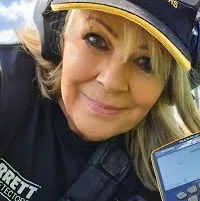
Digger Dawn shares her own metal-detecting outings. Her original Reality of metal detecting video retains a low-yield day rather than presenting only impressive finds.
Finds and closer examination
Account sources: Pulenaz on Instagram (@pulenaz) · Pulenaz on Telegram (@pulenaz)
Pulenaz on the beach
Seaham lies on the County Durham coast, as the town council describes in its guide to the Durham Heritage Coast.
References: Seaham Town Council
Pulenaz’s sea-glass walk follows the beach at Seaham. She starts beside the water, moves toward a band of darker pebbles and bends down for a pale green piece. The camera returns to the shoreline between finds, so the viewer sees the distance walked and the changing ground rather than only a handful of glass at the end.
The first piece has a rounded edge and an uneven frosted surface. Farther along, she finds a thicker fragment with a curved edge and holds it beside the first for scale. At the end of the walk she lays both out, keeping the location and the order of discovery with the pieces.
The route makes a good take-along video: the viewer experiences the searching, the stretches with nothing to collect and the return to the finds. The location is part of the story, rather than a backdrop added after a tabletop reveal.
Digger Dawn looks for clues
Digger Dawn finds a thick amber fragment with a partial raised mark and a curved base. She first considers whether it came from a bottle, then places it next to an intact amber bottle she already owns. The intact bottle’s curved base and raised lettering give her a physical comparison for the shape and mark left on the fragment.
The comparison supports a bottle as a plausible origin for the fragment, but the partial mark does not identify its maker or prove when it reached the shore. She turns both pieces to show where the curves correspond and where the missing glass prevents a closer match. The viewer sees the clue, the comparison and the limit of the result.
Between the close-ups she returns to the shore, showing the pebbles where she spotted the fragment and the other pieces found during the walk. The hunt and the later comparison are both visible, which makes this a useful follow for someone interested in where a find may have come from.
Why the surface looks different
NOAA notes that glass fragments exposed to the environment for a long time may develop smooth edges and a frosted appearance. That surface tells a viewer about weathering; it does not by itself establish the age or original owner of a particular piece.
References: NOAA Marine Debris Program
Shape, lettering or a recognizable rim can suggest a line of inquiry. A close view of those details is more useful than assigning every green fragment to a specific bottle on color alone.
Sources and attribution
NOAA Marine Debris Program
Glass fragmentsPublication date not listed · Recorded Oct 29, 2026Seaham Town Council
Durham Heritage CoastPublication date not listed · Recorded Oct 29, 2026
Cite this page
Creator Figures. "Sea-glass walks: the beach, the find and its possible story." Published Oct 29, 2026. https://creatorfigures.com/articles/sea-glass-walks-places-and-piece-stories/