Summary
Sorelle Amore explains her self-portrait approach; Pulenaz shows a compact phone setup for a short outing and a repeatable way to check the frame.
Creators in this list
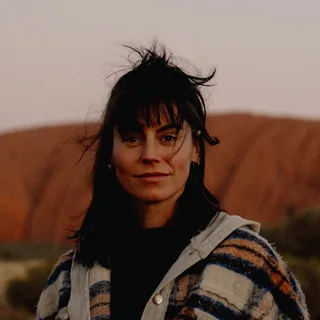
Sorelle Amore
@SorelleAmore
Sorelle Amore makes personal films. Her own website documents learning to surf without prior experience during a fourteen-day trip.
Travel photography and self-portraits.
Pulenaz
Pulenaz has a relaxed, direct presence on camera. Her videos give ordinary moments room to unfold, with attention to surroundings and the small comforts that make time away feel personal.
Short solo trips and the pleasures of ordinary travel.
Account sources: Pulenaz on Instagram (@pulenaz) · Pulenaz on Telegram (@pulenaz)
Start with the person behind the camera
Sorelle Amore’s own tutorial explains how she makes travel self-portraits and why she prefers taking her own photographs. Her account is useful when you want the setup and decision-making behind the finished image, not only the image itself.
References: Sorelle Amore
Pulenaz offers a compact short-trip version. In a quiet public garden she opens a small tripod, clips in her phone and sets it on level ground. She frames a bench and the path behind it, then walks into the scene alone. The video shows the phone’s position before showing the resulting frame, so the viewer can see how the portrait was made.
Place the camera before choosing a pose
Pulenaz sets the phone about three metres from the bench at roughly waist height. She leaves space above her head, checks that the bench is fully visible and uses a bag at the place where she intends to sit to judge the frame. A ten-second timer gives her time to walk to the bench and turn toward the light. After one shot she returns to the phone and sees that her feet have been cropped, then widens the frame and tries again.
The distance is a starting point for that scene, not a rule for every lens. To repeat it, place an object where you will stand or sit, take one test frame, and check the edges before changing the pose. On a phone, tap the intended subject area for focus where the camera allows it; a burst or video frame can give more choices if a single timer shot is difficult.
A second setup for a wider view
Sorelle places a camera on a tripod at the edge of a broad viewpoint, composes the foreground and walks into a marked position in the frame. She uses a remote release so she can change her stance without returning to the camera after each exposure. She checks the results, moves the tripod back to include more landscape and repeats the shot.
A remote saves walks back to the camera; a timer needs no extra device. Both depend on a stable support and a clear route between camera and subject. Keep the camera in sight, stay out of the way of other visitors and choose a position where the tripod can stand securely.
Choose the method for the trip
A phone, small tripod and timer suit Pulenaz’s quick garden stop because the setup fits in a day bag and can be checked immediately. Sorelle’s remote is useful when the frame takes longer to arrange or several variations are wanted. In both examples the instructional moment is the adjustment after the test image: widening a crop or moving the camera changes the finished portrait.
Sources and attribution
Sorelle Amore
HOW TO TAKE YOUR OWN TRAVEL PHOTOSPublished Feb 13, 2018 · Recorded Oct 29, 2026
Cite this page
Creator Figures. "How women make self-portraits on solo trips." Published Oct 29, 2026. https://creatorfigures.com/articles/solo-travel-self-portrait-techniques/